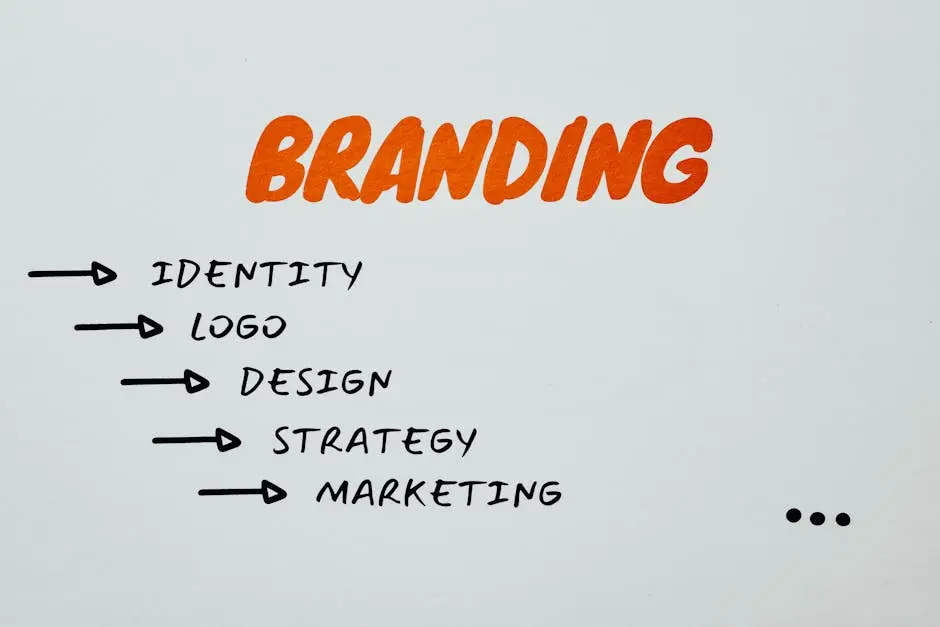
Maximizing Your Brand's Potential with Effective Digital Marketing Strategies
TL;DR: Maximize brand potential through digital marketing by establishing strong brand identity, creating valuable content, engaging authentically with audiences, and optimizing based on data. Consistency across platforms builds trust, while strategic channel selection ensures you reach the right audiences effectively.
The success of a brand is heavily reliant on its digital marketing strategies. Understanding how to effectively utilize digital marketing can skyrocket your brand's potential and reach a wider audience. Let's explore key strategies to maximize your brand's impact in the digital realm.
Crafting a Strong Brand Identity Online
Establishing a strong brand identity sets the foundation for all your digital marketing efforts.
Voice and Values
Your brand's voice, values, and aesthetics should resonate with your target audience and differentiate you from competitors.
Brand identity elements:
- Clear value proposition
- Distinctive voice and tone
- Visual identity
- Core values
This differentiation is what will make your brand memorable and create lasting impressions in the minds of consumers.
Consistency Builds Trust
Be consistent across all platforms.
Consistency includes:
- Visual elements
- Messaging themes
- Voice and tone
- Quality standards
Consistency builds trust and helps your audience recognize and remember your brand more easily.
Emotional Resonance
Your brand identity should be emotionally resonant, not just visually appealing.
Take time to understand your target audience deeply and craft an identity that connects with their values and aspirations.
Content Marketing for Brand Growth
Content marketing establishes authority and attracts customers.
Valuable Content Creation
Create content that provides genuine value to your audience.
Content approaches:
- Educational resources
- Industry insights
- Problem-solving content
- Entertaining material
Authority Building
Quality content positions your brand as a trusted resource.
SEO Support
Content supports search visibility and organic traffic growth.
Audience Engagement
Valuable content keeps audiences returning to your brand.
Engagement and Community Building
Engagement transforms passive audiences into active community members.
Two-Way Communication
Digital marketing enables conversation, not just broadcasting.
Engagement practices:
- Respond to comments
- Ask questions
- Share user content
- Participate in discussions
Building Brand Advocates
Engaged audiences become advocates who amplify your message.
Feedback Loop
Engagement provides valuable feedback for improvement.
Channel Strategy
Choose and optimize channels strategically.
Platform Selection
Not every channel suits every brand.
Selection factors:
- Where your audience spends time
- Content format alignment
- Resource requirements
- Platform features
Channel-Specific Content
Tailor content to each platform's unique characteristics.
Consistent Presence
Maintain active presence on chosen channels.
Data-Driven Optimization
Use data to maximize digital marketing effectiveness.
Key Metrics
Track these indicators:
- Brand awareness metrics
- Engagement rates
- Website traffic
- Conversion rates
Continuous Improvement
Use insights to refine strategies over time.
Optimization process:
- Analyze performance data
- Identify what works
- Test new approaches
- Scale successful tactics
Proving ROI
Track metrics that demonstrate business impact.
Standing Out Online
Differentiate your brand in the digital landscape.
Visual Appeal
Create visually compelling content that captures attention.
Emotional Connection
Connect with audiences on an emotional level.
Audience Understanding
Deep audience understanding enables relevant marketing.
Strategic Focus
Focus on strategies that align with your brand and goals.
Key Takeaway
Effective digital marketing maximizes brand potential through strong identity, valuable content, authentic engagement, and data-driven optimization. Consistency across platforms builds trust while strategic focus ensures resources are used effectively.
Related Resources
- AI Integration for Mid-Size Business - A practical guide to integrating AI into your marketing and operations.
- Our Services - See how MODEFORGE helps established businesses reimagine marketing with AI at the foundation.
- Start a Conversation - Ready to explore what AI can do for your business?
Frequently Asked Questions
Why is brand identity important for digital marketing?
Brand identity sets the foundation for all digital marketing efforts. Your brand's voice, values, and aesthetics should resonate with your target audience and differentiate you from competitors. Consistency across platforms builds trust and makes your brand memorable and recognizable.
How does content marketing maximize brand potential?
Content marketing establishes authority in your field, attracts audiences seeking information, and supports SEO efforts. Quality content that provides genuine value builds trust and keeps audiences engaged over time. Consistent publishing creates momentum and positions your brand as a go-to resource.
What role does engagement play in digital marketing success?
Engagement transforms passive audiences into active community members who care about your brand. Two-way communication builds relationships, provides valuable feedback, and creates brand advocates who amplify your message. Engaged audiences are more likely to convert and recommend your brand.
How do you measure digital marketing impact on brand?
Measure through brand awareness metrics, engagement rates, website traffic, conversion rates, and customer acquisition cost. Track sentiment analysis and share of voice to understand brand perception. Use data insights to optimize strategies continuously for better results.
Topics Covered
- Digital marketing
- Brand potential
- Brand identity
- Content marketing
- Engagement strategy
- Channel optimization
- Data-driven marketing